Consumption Behavior Patterns
In the 2024 entertainment market, the fan-driven economy saw robust growth. According to the industrial data, the total revenue of China's performance market in 2024 reached 79.629 billion Chinese yuan ( ≈ 11.22 billion U.S. dollars), while the ticket sales for large-scale concerts exceeded 26 billion yuan ( ≈ 3.66 billion U.S. dollars), an increase of 78.1% compared with last year. Behind the figures is the strong driving force of young consumers: nearly 80% of the 29 million audience members were under 30 years old.
A closer breakdown would reveal three defining features of fan behavior:
First, emotionally driven consumption: 79.4% of young respondents cited “gaining immersive emotional experiences” and “healing through performances” as their primary motivations rather than for seeking entertainment.
Second, the age-stratified consumption preference: 73.2% are fans aged 12-18 years old, and minors under 18 years old contribute nearly 35% to spending on peripheral products such as idol photocards and support goods. On the other hand, adult fans prefer to consume higher-priced items such as concert tickets and digital albums.
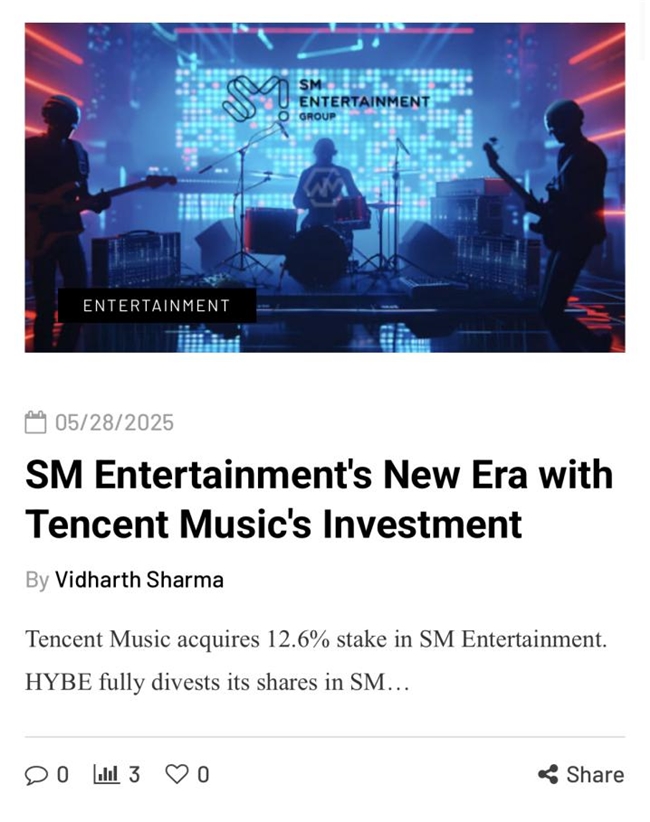
Cross-cultural expansion:Following Tencent's 2023 strategic investment in South Korea's SM Entertainment, the latter's digital album sales in China grew 67% year-on-year in 2024, reflecting fans' willingness to pay for transnational idol content.
These patterns together reflect the core logic in contemporary fan consumption: it centers on an “emotional connection,” spans diverse scenarios (online/offline, domestic/international), and is highly aligned yet stratified in spending power across age groups.
Behavioral Drivers: The Underlying Logic of Fan Spending
Fan consumption is not just a result of “fandom enthusiasm,” it arises from the interplay between intrinsic psychological needs and the existing social context. The major drivers are:
Emotional Compensation in a High-Pressure Society: Intensifying life pressures have shifted youth consumption focus toward emotional fulfillment. With 11.79 million college graduates in 2024 and youth unemployment persistently above 15%, many young people are under immense anxiety. For them, idol-related consumption serves as a direct channel for stress relief and emotional comfort.
The Shift Towards Spiritual Consumption: As living standards continue to improve, the orientation of youth consumption has changed from “utility-oriented” to “spiritual satisfaction.” According to PwC's Global Entertainment & Media Outlook 2024-2028, China's entertainment and media sector is projected to grow by 5.51% from 2023 to 2028 at a compound annual growth rate, higher than the global average of 3.91%. The fan economy grows even faster, boosted by the increasing willingness to pay for “emotional value”: more than 60% of fans believe spending on idols is “paying for spiritual pleasure” instead of “wasting money.”
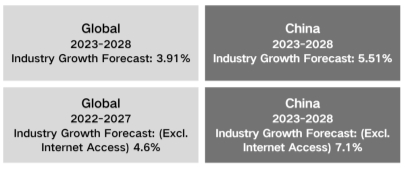
Figure: Industry growth forecasts for the global and Chinese media and entertainment markets. Data from PwC’s Global Entertainment & Media Outlook.
The Need for Community Belonging: The consumption of a fan is to affirm “community identity.” As one noted, a 16-year-old fan suggested that he felt a sense of belonging that was rarely found in real life. In-group recognition is furthered through the collective actions of merchandise purchasing, support projects participation, and crowdfunding. Implicit social pressure not to be left out further reinforces such consumption.
Behavioral Impact: Coexistence of Rational Value and Industry Malpractices
Most fan consumption generates positive value: in surveys, 75% of respondents believed such spending enhances their lives by drawing motivation from idols or using fandom for emotional replenishment. It also fosters financial rationality: more than 60% of fans set spending limits according to their income, and 72% reported learning budgeting skills through fan activities. In purchasing decisions, fans give priority to the practical value of a product, followed by “association with the idol” and “product quality,” showing that there is a balance between emotional attachment and actual added value. Finally, the “popularity of an item within the fan circle” is the lowest, which indicates a preference for personal need over group trends. Overall, rationality dominates.
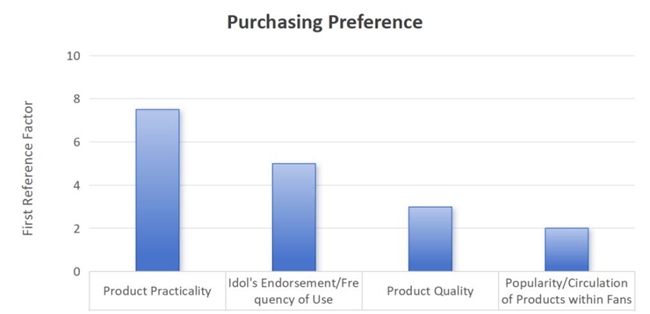
Figure: Purchasing preferences among respondents in a spontaneous social survey.
However, the industry's malpractices have distorted behavior. Ticket scalping is one of the most concerning issues. The Hong Kong concert in 2023 by BLACKPINK had tickets with a face value of HK$8,000. More than 200 complaints were received by the Hong Kong Consumer Council, with 80% involving fraud related to ticket scalping.
Equally worrisome is the distorted behavior of minors. A 12-year-old interviewed said, “Those who do not spend are looked down upon by peers,” which leads to impulse buying. Statistics show 35% of minors have overspent to satisfy the demands of their idols and 28% have quarreled with friends over it. With limited judgment and growing purchasing power, minors will find it hard to avoid irrational consumption—a “mismatch between behavior and capability.”
External Guidance and Collaborative Governance
Current policy and industrial practice are forming a collaborative mechanism to guide fan consumption towards healthiness:
Policy Level: The “Campaign to Clean Up Fan Circle Malpractices” in 2024 targeted illegal accounts and non-compliant agencies. The universal adoption of "real-name verification + one ticket per person" has reduced secondary ticket circulation from 25% to below 8%, effectively curbing scalpers and ensuring fair access.
Industry Level: Tencent and SM Entertainment's “Fan Spending Alert System” covers more than 5 million minor users and has intercepted 120,000 abnormal transactions. After major agencies demanded higher quality standards for merchandise, product return rates dropped from 15% to 6%, reducing consumer harm.
Future Outlook
The fan economy will go through three changes based on current trends:
Deep Personalization: In 2026, 30% of the fan economy will be composed of AI-driven, emotion-based customized content. Digital twin idols will enable exclusive interaction through the use of AR technology.
Upgraded Immersive Experience: The virtual concert market is expected to reach more than 8 billion yuan by 2028. VR/AR technology will enable immersive experiences at home and satisfy the different spending tiers of fans.
Glocalization Integration: Entertainment companies will adopt differentiated strategies for artist groups in markets like China and South Korea, which will make cross-cultural fan consumption more “culturally resonant.”
Fan consumption is based on an “emotional connection” that serves as a spiritual outlet in this high-pressure society and is a microcosm of consumption upgrading among youth. It is also expected to balance, in the future, emotional needs with rational restraint, driven by personalization, immersion, and multi-party guidance. Based on the core of “emotional value,” the fan economy can have positive growth and develop healthily and sustainably.
By Tu Jingyuan
10/07/2025
